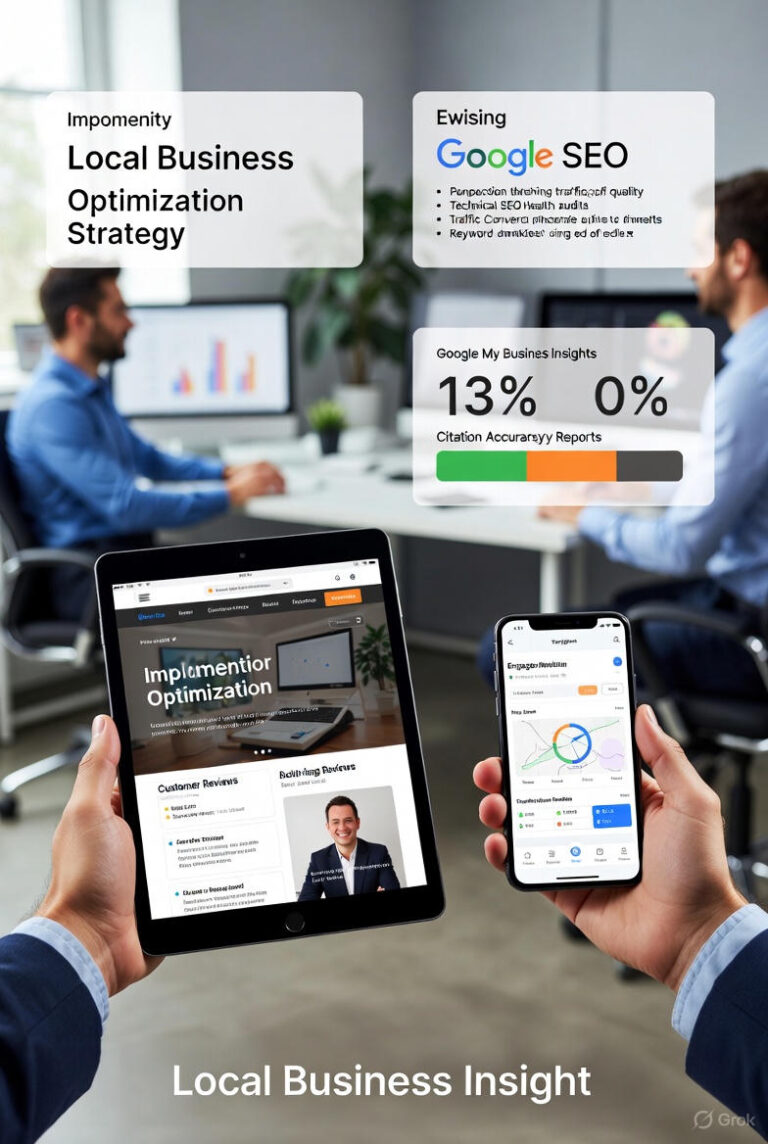

Family law practices face a unique challenge when attracting clients: building trust while standing out in a competitive digital marketplace. Did you know that nearly 90% of clients start their search for legal services online? Optimizing your family law website for search engines is no longer optional—it’s essential. This article dives into the foremost search engine optimization (SEO) methods tailored specifically for family law practices, ensuring your firm not only ranks well but connects meaningfully with potential clients.
Understanding Local SEO to Capture Relevant Leads
Why Local SEO Matters for Family Law
Family law is inherently local, as legal matters such as divorce, custody, and adoption are governed by state and county regulations. Hence, local SEO is critical. Ensuring your practice appears prominently in local search results increases the likelihood of reaching clients in your immediate area.
Optimizing Your Google My Business Profile
Claim and optimize your Google My Business (GMB) profile with accurate contact details, office hours, and high-quality images. Encouraging satisfied clients to leave reviews boosts your local reputation and search visibility. These reviews often appear in search snippets, adding credibility instantly.
Pro Tip: Regularly update your GMB posts with relevant content, like recent case wins or legal tips, to engage your audience and improve rankings.
Crafting Targeted Content That Resonates
Building Authority Through Educational Resources
Clients seeking family law services often look for clear, empathetic guidance. Creating blog posts, FAQs, and resource pages around common family law questions not only positions your practice as an authority but also targets long-tail keywords that potential clients use.
Incorporating Keywords Naturally
Research keywords specific to family law—such as “child custody attorney near me” or “divorce lawyer in [city]”—and weave them organically into your content. Avoid keyword stuffing; instead, focus on answering client concerns with clarity and professionalism.
Did You Know? Content that addresses client pain points can increase website engagement by over 60%, leading to higher conversions.
Enhancing Website Technical SEO for Optimal Performance
Improving Site Speed and Mobile Usability
Search engines prioritize websites that load quickly and offer seamless mobile experiences. For family law practices, where clients might seek urgent help, a fast-loading, mobile-friendly site can make all the difference.
Structuring Your Website with Clear Navigation
Organize your site architecture logically with clear menus and internal links. Pages such as “Divorce Services,” “Child Custody,” and “Contact Us” should be easy to find. This clarity helps search engines crawl your site efficiently and enhances user experience.
Here’s a quick comparison of key technical SEO elements and their impact:
| SEO Element | Benefit | Recommended Tools |
|---|---|---|
| Site Speed | Higher rankings, lower bounce | Google PageSpeed Insights |
| Mobile Usability | Better user experience | Mobile-Friendly Test |
| Structured Data | Enhanced search results (rich snippets) | Schema.org, Google Structured Data Testing Tool |
Building High-Quality Backlinks from Legal and Community Sources
Leveraging Legal Directories and Associations
Listing your practice in reputable legal directories and bar association websites provides valuable backlinks and boosts your domain authority. Ensure your profiles are complete and consistent across platforms.
Engaging with Community and Family-Focused Organizations
Collaborate with local family support groups or community organizations. Writing guest posts or sponsoring events can earn backlinks while demonstrating your commitment to family welfare.
Bolded introduction line: Key backlink strategies include:
- Registering with trusted legal directories
- Contributing expert articles to family law blogs
- Partnering with local nonprofits for outreach
Monitoring and Adapting Your SEO Strategy
Utilizing Analytics to Track Performance
Implement tools like Google Analytics and Search Console to monitor traffic, user behavior, and keyword rankings. Understanding what works allows you to refine your SEO efforts continuously.
Staying Updated with Algorithm Changes
Search engine algorithms evolve frequently. Staying informed about updates helps you adjust tactics proactively, maintaining your competitive edge.
Pro Tip: Schedule quarterly SEO audits to identify and fix issues before they impact rankings.
Conclusion
The foremost SEO methods for family law practices revolve around local optimization, targeted content creation, robust technical SEO, and authoritative backlink building. By implementing these strategies, your firm can attract qualified leads and build lasting trust online. Start today by enhancing your local presence and creating client-focused content—your future clients are searching for you now. Keep refining your approach, and watch your practice grow in both visibility and reputation.
About the Author